
The Castrato – Reflections on Natures and Kinds
Feldman Martha
The Castrato is the first book to explore in depth why innumerable boys were castrated for singing between the mid-sixteenth and late-nineteenth centuries. It shows that although the practice formed the foundation of Western classical singing, it was birthed from an unlikely and historically unique set of desires, public and private, aesthetic, economic, and political. In Italy, castration for singing was understood through the lens of Catholic blood sacrifice as expressed in idioms of offering and renunciation and, paradoxically, in satires, verbal abuse, and even the symbolism of the castrato's comic cousin Pulcinella. Sacrifice in Italy also encompassed a logic of reproduction, involving teachers, patrons, colleagues, and relatives. Yet, what lured audiences and composers--from Cavalli and Pergolesi to Handel, Mozart, and Rossini--were the extraordinary capacities of castrato voices, a phenomenon ultimately unsettled by Enlightenment morality. Although the castrati failed to survive, their musicality and vocality persisted long after their literal demise in traditions that extend to bel canto repertories and beyond.
Al momento non disponibile, ordinabile in 3 settimane circa

Dettagli Libro
- Titolo: The Castrato – Reflections on Natures and Kinds
- Autore: Feldman Martha
- Curatore:
- Traduttore:
- Illustratore:
- Editore: University of California Press
- Collana: Ernest Bloch Lectures in Music
- Data di Pubblicazione: 2015
- Pagine: 454
- Formato:
- ISBN: 9780520279490
- Non catalogati - Non catalogati
Libri che ti potrebbero interessare
Davanti a te Signore sono al sicuro
Mezzetti Tarcisio
Codice civile e leggi collegate 2009
De Nova, Giorgio
Colore rosso notte
Ceretta Lovi
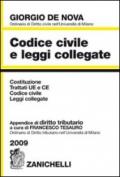
Codice civile e leggi collegate 2009. Co...
Giorgio De Nova, Francesco Tesauro
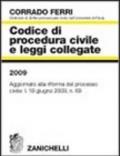
Codice di procedura civile e leggi colle...
Corrado Ferri
Fermate soppresse
Stefano Fabbri
Leggende vissute e fiabe per tutti
Guido Tanca, Daniela Bertelloni, Roberta Bertelloni
I deliziosi delitti di Littletown
Borghi Stefano, Conventi Gaia
Luna malata
Duval Max
Liber al vel legis. Sub figura. CCXX
Aleister Crowley, F. Di Rico, A. Moscato
Il Tao dell'acquerello. Considerazioni p...
Cavasino Grazia
Il giorno delle ombre più lunghe
Caldarazzo Raffaello
I libri più cercati
-
La struttura originaria
Emanuele Severino -
L' universo fenicio
Michel Gras, Pierre Rouillard, Javier Teixidor -
Per questi motivi. Con e-book. Con espansione onli...
Monti Paolo, Monti Silvia -
Le sabbie di Saqqara
Glenn Meade -
L'altra metà della mela. Come formare la coppia g...
Marco Del Freo, Sandra R. Scantling
Categorie
- Agricoltura
- Antropologia
- Archeologia
- Architettura
- Arte e fotografia
- Astronomia
- Bambini e ragazzi
- Benessere e tempo libero
- Biblioteconomia
- Biografie e memorie
- Biologia
- Botanica
- Chimica
- Cinema e spettacolo
- Cucina
- Design e grafica
- Diritto
- Ecologia e ambiente
- Economia
- Filosofia
- Fisica
- Fumetti
- Geografia
- Giardinaggio
- Informatica
- Ingegneria
- Lingue straniere
- Linguistica
- Matematica
- Medicina
- Metodologia scientifica
- Musica
- Narrativa
- Non catalogati
- Opere di consultazione
- Psicologia
- Religione
- Scuola ed educazione
- Società
- Sociologia
- Sport
- Storia
- Studi letterari
- Veterinaria
- Viaggi
- Zoologia